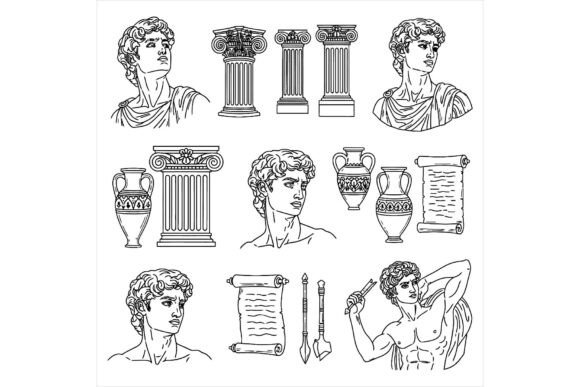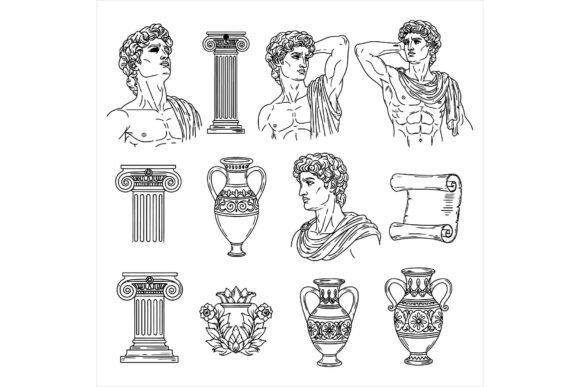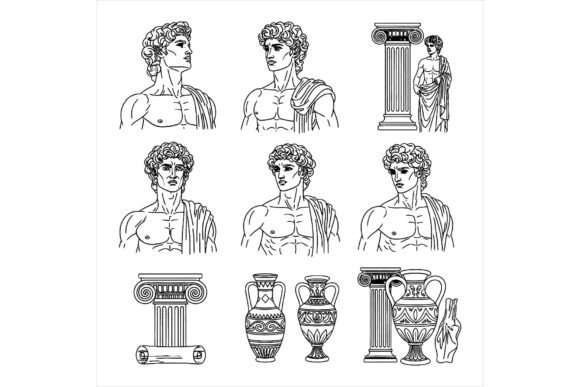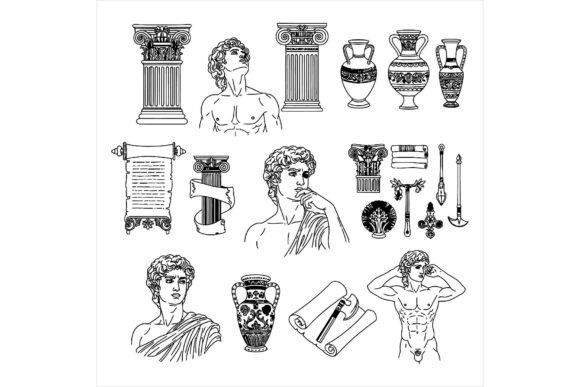
Ancient Greek Roman Art Illustration Set for Editorial and Web Design
As a seasoned blog designer and digital publisher, I’m always on the lookout for graphic design assets that elevate content without overshadowing it. The Ancient Greek Roman Art Illustration Set caught my attention with its rich historical aesthetic and refined visual appeal. This collection of illustrations brings an air of timeless elegance to any digital project, making it a compelling choice for bloggers, website owners, and content creators who want their visuals to stand out while maintaining a sense of professionalism and cultural depth.
First Impressions: Aesthetic Mood and Niche Fit
The first thing that stands out about this illustration set is its editorial mood. It feels both artistic and educational — ideal for niches like history, mythology, travel, philosophy, or even fitness (think ancient warriors and strength). The style leans decorative but not overwhelming, suggesting a balance between detail and usability. These illustrations have a classic, almost academic feel, which can subtly influence reader perception by reinforcing themes of heritage, intellect, and tradition.
If you're working in lifestyle, wellness, or personal development, this set could also add a layer of sophistication to your content. However, it may not be the best fit for highly modern or minimalist branding unless used selectively as accents.
Real-World Publishing Applications
Let’s break down how the Ancient Greek Roman Art Illustration Set can integrate into a real publishing workflow:
- Blog Featured Images: Use these illustrations to create striking headers for articles about ancient civilizations, mythology, or philosophical topics. They offer instant visual interest and help establish your blog's unique brand identity.
- Pinterest Graphics: With their intricate designs and strong focal points, these illustrations are perfect for driving engagement. Pair them with concise text overlays to boost click-through rates from Pinterest feeds.
- Newsletter Headers: Incorporate them into email campaigns focused on educational or creative content. Their ornate nature can make your newsletter stand out in crowded inboxes.
- Category Thumbnails: Enhance your blog or website navigation by using these illustrations for category pages such as “History,” “Mythology,” or “Ancient Culture.” They help users recognize sections at a glance.
- Lead Magnets & Digital Guides: Add authenticity and gravitas to downloadable resources like printable timelines, study guides, or historical summaries. These illustrations support a more professional-looking digital product.
- Canva Templates: If you're creating templates for clients or your own content marketing efforts, this set offers versatile elements that can be layered, cropped, or scaled effectively within Canva’s design framework.
Visual Hierarchy and Reader Trust
One of the strengths of this illustration set lies in its ability to support visual hierarchy. When placed beside clean typography, the imagery naturally draws the eye and frames the message. This helps guide readers through content more intuitively, especially in editorial layouts where clarity and flow are essential.
From a brand identity perspective, using these illustrations consistently across featured images, banners, and social media thumbnails can help build a stronger visual identity. Readers begin to associate your content with quality and thoughtfulness — two key components of reader trust.
Performance Potential in Content Marketing
Integrating this illustration set into your content strategy can enhance performance in several measurable ways:
- Stronger First Impression: High-quality illustrations immediately catch attention and signal that your content is well-crafted.
- Better Click-Through Potential: On platforms like Pinterest or Facebook, visually appealing graphics are more likely to be clicked, increasing traffic to your site.
- Consistent Branding: Repeating similar motifs across your content builds familiarity and reinforces your brand’s visual language.
- Improved Category Recognition: Whether you’re organizing a blog or an online course, these illustrations can help users quickly identify related content areas.
- More Professional-Looking Pages: Even if your audience isn’t expecting museum-grade art, they’ll appreciate the polished look of a site that uses cohesive, high-resolution blog graphics.
Where These Illustrations Shine
Certain publishing formats benefit most from the Ancient Greek Roman Art Illustration Set:
- Hero Images: The dramatic scale and detail of some illustrations make them excellent choices for full-width headers on landing pages or article intros.
- Article Thumbnails: In archive views or post grids, these illustrations help your content pop and invite curiosity.
- Editorial Accents: Small-scale elements from the set can be used as sidebars, chapter dividers, or call-out boxes in long-form content.
- Content Upgrades: Include them in bonus PDFs, worksheets, or printable design resources to increase perceived value.
- Social Media Previews: Whether it's Instagram posts or LinkedIn articles, these illustrations lend a refined edge to your promotional visuals.
Use Cases to Approach with Caution
While the Ancient Greek Roman Art Illustration Set is incredibly versatile, there are some scenarios where it might not be the best fit:
- Small Mobile Thumbnails: Highly detailed illustrations can become pixelated when shrunk for mobile view. Always test how they appear at smaller sizes.
- Text-Heavy Blog Images: Overloading a graphic with too much text can clash with the ornate nature of these illustrations. Keep headlines short and impactful.
- Low-Contrast Backgrounds: Some illustrations have muted tones that may fade against soft or pastel backdrops. Adjust color layers or overlay effects to maintain visibility.
- Busy Layouts: If your design already has multiple elements, adding another decorative illustration could muddy the visual space. Use sparingly.
- Corporate or Minimalist Sites: Unless you're going for a classical theme, these illustrations may not align with the clean, no-fuss approach expected in certain business environments.
Practical Publisher Tips for Implementation
To ensure these illustrations perform well in your publishing projects, here are some actionable steps every digital marketer, small business owner, or affiliate blogger should take before finalizing their use:
- Test on Desktop and Mobile Screens: Make sure the illustrations scale well and remain legible across all device types.
- Check Thumbnail Performance: How do they look when compressed? Will the key visual still communicate your message?
- Preview Inside Real Blog Layouts: See how they interact with your fonts, colors, and other design elements in context.
- Test with Headline Text: Try placing your actual headlines over the illustrations to gauge readability and overall impact.
- Review Contrast and Readability: Especially important for accessibility. Ensure text sits comfortably atop the design without being lost in shadows or patterns.
- Try Black and White Versions: Some illustrations retain their elegance in grayscale, which can be useful for printables or monochrome branding moments.
- Font Pairing Experiments: These illustrations pair beautifully with serif fonts for a scholarly vibe, sans-serif for a modern twist, or script/handwritten fonts for a personal touch. Avoid pairing with overly bold display fonts unless you're aiming for a dramatic effect.
- Optimize File Sizes: Large illustrations can slow down page load times. Compress images properly using tools like TinyPNG or Adobe Photoshop to maintain quality without sacrificing speed.
- Confirm Commercial Licensing: Before using these illustrations on monetized sites, affiliate promotions, or paid digital downloads, verify that the asset includes a commercial license suitable for your intended use.
Design Asset Value for Creative Entrepreneurs
For those in the creative marketplace, this illustration set is a valuable addition to your toolkit. Whether you're designing a Canva template for a niche blog or crafting a lead magnet for a content upgrade, the right visuals can make the difference between a good design and a great one. These illustrations bring a level of craftsmanship that appeals to discerning buyers looking for premium design assets that stand apart from generic stock imagery.
In web design, the set can serve as background textures, header accents, or section dividers. Its versatility allows it to adapt to both modern minimalism and more elaborate layouts, depending on how you layer and position it.
Final Thoughts for Digital Publishers
When evaluating any graphic design asset, it’s important to consider how it functions beyond just aesthetics. The Ancient Greek Roman Art Illustration Set does more than look beautiful — it supports storytelling, enhances visual communication, and contributes to a more engaging content marketing strategy.
If you're preparing a new digital guide, launching an online course on ancient history, or simply wanting to give your blog a fresh, cultured look, this set is worth considering. Just remember to apply it thoughtfully, ensuring it complements rather than competes with your message.