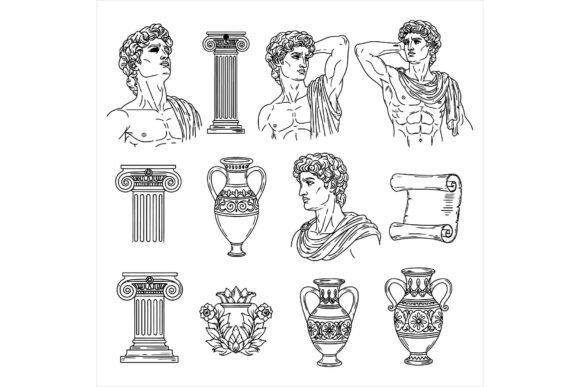
Ancient Greek Illustrations of People for Commercial Design Projects
As someone who has spent years creating and selling digital products online, I always approach a new graphic design asset with a mix of curiosity and caution. Ancient Greek Illustrations of People caught my eye because of the unique cultural angle it brings to visual content. These illustrations aren’t just decorative—they tell a story, and that kind of depth can really help your product listings stand out in a crowded creative marketplace.
First Impressions and Niche Appeal
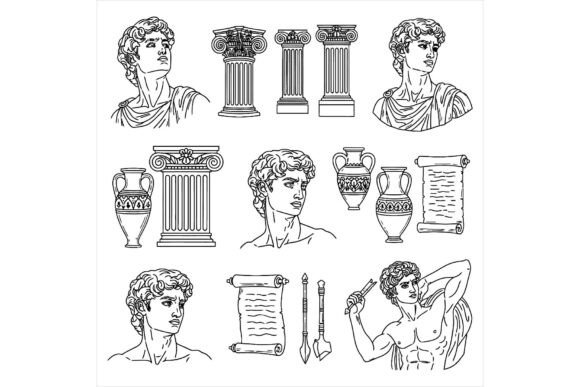
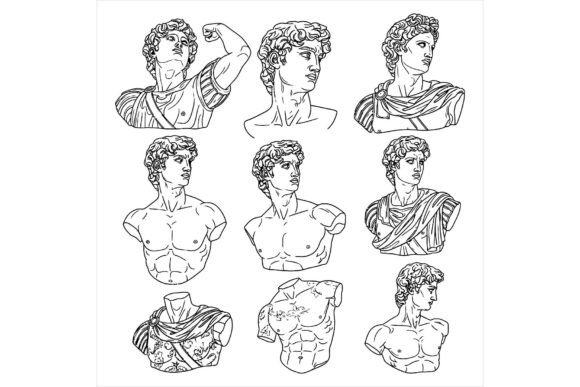
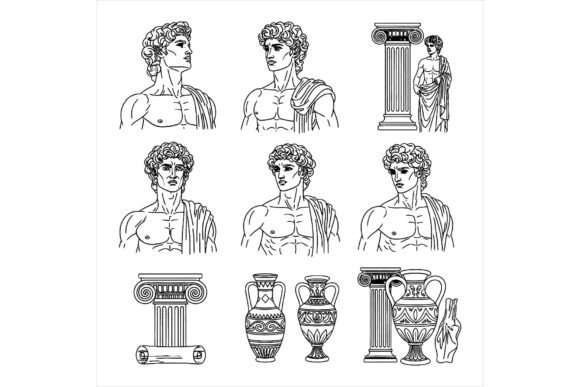
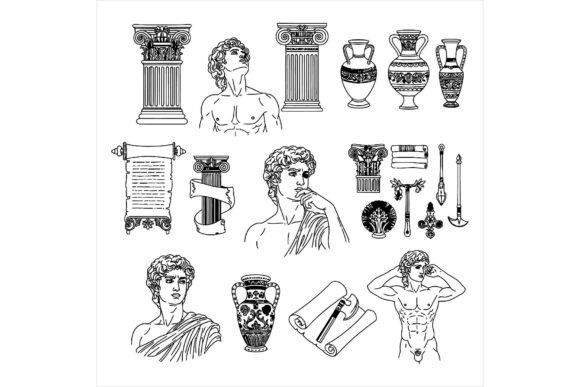
Right from the start, Ancient Greek Illustrations of People give off an air of sophistication and timelessness. The characters depicted are stylized yet realistic, capturing the essence of ancient mythology, historical figures, or daily life in Greece’s classical era. The mood is elegant, educational, and slightly mysterious—perfect for audiences interested in history, mythology, art history, or anything with a classic aesthetic.
This design asset would likely appeal to educators, bloggers focusing on culture and history, print-on-demand shops specializing in vintage or academic themes, and Etsy sellers in the handmade or stationery niche. It doesn't scream “playful” or “modern,” but rather offers a refined look that feels both artistic and authentic.
Real-World Applications for Digital Sellers
I’ve found these kinds of illustration sets particularly useful when building themed product collections. For instance, you could use Ancient Greek Illustrations of People in:
- SVG products like Cricut projects or Silhouette designs for custom apparel or signage
- PNG designs for printable wall art, greeting cards, or social media templates
- Clipart bundles targeting niche markets such as homeschooling resources or cultural education tools
- Sublimation designs for mugs, tumblers, or home décor items that benefit from high-quality imagery
- Planner stickers for those who love adding historical flair to their bullet journals or planners
- T-shirt graphics where the audience is into mythology, literature, or art-inspired fashion
- Merchandise prints for tote bags, posters, or calendars with a thematic focus on ancient civilizations
- Canva templates aimed at educators, influencers, or bloggers needing visuals for posts or presentations
These illustrations work especially well when paired with other assets in a cohesive design bundle. Think about including them alongside maps of ancient Greece, architectural motifs, or even quotes from philosophers. That kind of package can significantly increase perceived value and customer interest.
Testing Before Publishing
Before listing any design asset on platforms like Etsy or Creative Fabrica, it's essential to test how it looks across different mediums. Here’s what I recommend:
- Preview on mockups: Use a variety of product mockup tools to see how Ancient Greek Illustrations of People appear on t-shirts, mugs, or canvas prints. This helps you understand the scale and color rendering.
- Check thumbnail performance: Resize the image to fit typical marketplace thumbnails (around 500x500 pixels) and evaluate whether the details still hold up. A strong thumbnail increases click-through rates.
- Test white and dark backgrounds: These illustrations might pop more on one than the other depending on their style and color palette. Try both to determine which background enhances the design without overwhelming it.
- Verify PNG transparency: If you're offering this as a standalone clipart file, make sure the PNGs have clean, crisp edges and transparent backgrounds. No fringing or ghosting allowed!
- Inspect SVG cut quality: If you’re planning to offer this for Cricut or Silhouette users, double-check the vector paths. Smooth lines and accurate shapes are crucial for successful cuts.
- Confirm commercial licensing: Always ensure the creator provides a clear commercial license before using these in sellable products. This protects your business and avoids legal hiccups down the line.
Where These Illustrations Shine
These types of people-centric illustrations are best suited for larger formats where they can breathe. Product mockups with full-body images will showcase their detail better than tiny icons or badges. They also work beautifully in themed bundles, such as a collection of Mediterranean-inspired printable designs or digital paper packs for scrapbooking.
For print-on-demand businesses, consider using them as central elements in posters, coffee sleeves, or even packaging design for a brand with a classical or educational identity. Their detailed nature makes them ideal for visual storytelling—something that adds authenticity and emotional connection to your offerings.
Where Caution Is Needed
While these illustrations are powerful in the right context, there are a few areas where they may not perform as well:
- Tiny sticker details: Because of their intricate nature, these illustrations may lose clarity if scaled too small for physical stickers or labels.
- Crowded thumbnails: Don’t overload your Etsy or Shopify product previews with multiple illustrations. Focus on one or two standout pieces per listing to maintain visual hierarchy and clarity.
- Dark backgrounds: Some versions of these illustrations may lack contrast when placed on black or deep-colored surfaces. Test several combinations to avoid legibility issues.
- Text-heavy templates: If you're designing Canva templates or blog headers with lots of text, be careful not to let the illustrations overpower the message. Balance is key.
Also, if you plan to include these in Cricut projects, pay close attention to the layer structure and cutting paths. Complex linework may require manual adjustments to ensure the machine can handle the intricacy without error.
Pairing with Fonts for Maximum Impact
One of the most overlooked aspects of graphic design assets is font pairing. Ancient Greek Illustrations of People feel best when matched with fonts that reflect their character. Consider these pairings:
- Serif fonts: Like Garamond or Georgia for a traditional, scholarly vibe.
- Sans serif fonts: Clean and modern choices such as Lato or Open Sans for a more contemporary layout.
- Script or handwritten fonts: Ideal for adding a personal touch to greeting cards or journal pages.
- Display fonts: Bold, decorative styles like Bebas Neue or Cinzel for headlines or branding elements.
The right typography can either elevate or undermine the elegance of these illustrations. I suggest testing a few combinations to find the balance between readability and style.
Building Brand Consistency with These Assets
If you're running a handmade business or a small business branding project, these illustrations can help reinforce your theme. Imagine a shop dedicated to mythological merchandise or educational materials featuring these designs consistently across all product categories. It builds trust and familiarity with customers over time.
Using these illustration assets in your social media graphics or promotional visuals can also help maintain a professional, cohesive brand identity. Whether it's Instagram stories or Pinterest pins, the same visual motif ties everything together.
Organizing Files for Customer Clarity
When preparing your digital downloads, organize the files logically. Group similar illustrations together and label them clearly so customers can easily find what they need. Including usage notes—like recommended applications or file size tips—adds professionalism and reduces support inquiries.
Also, don’t forget to provide instructions for those using Cricut projects or SVG designs. Even a simple note on how to separate layers or adjust sizes can go a long way in improving the customer experience.
Final Thoughts for Creative Entrepreneurs
Ancient Greek Illustrations of People is a solid addition to any graphic design asset library, especially for those looking to tap into historical, educational, or mythology-based markets. When used thoughtfully, they can enhance the professionalism and appeal of your product collection, helping your listings stand out in a sea of generic designs.
But remember—just like any other commercial design, success depends on how well you integrate them into your offerings. Take the time to test them on real products, pair them with appropriate fonts, and ensure your files are optimized for each platform. Doing so will not only improve the usability of these illustrations, but also strengthen your overall brand consistency and customer satisfaction.